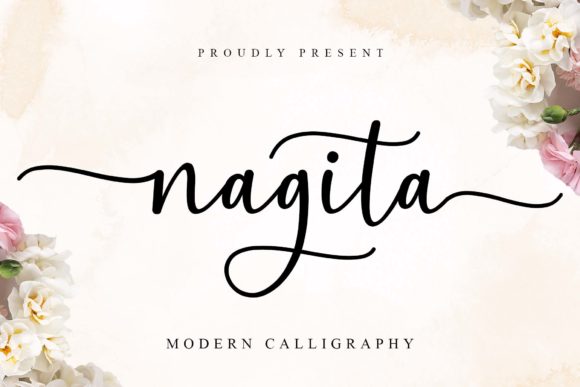
Nagita: The Romantic Script Font for Modern Branding
In the world of digital design, the typeface you choose is often the silent ambassador of your brand. It sets the tone before a single word is read. For those seeking a blend of elegance, personality, and professional versatility, Nagita stands out as a compelling choice. This isn't just another script font; it's a carefully crafted tool designed to inject warmth, romance, and a handcrafted feel into a wide array of projects. Let's explore what makes Nagita a valuable addition to any designer's toolkit and how you can leverage its unique characteristics effectively.
Understanding Nagita's Visual DNA
At its core, Nagita is a romantic script font defined by its graceful, flowing letterforms. Its most distinctive features are the beautiful beginning and ending swashes that adorn many characters, adding a flourish of sophistication. These aren't just decorative extras; they are integral to its personality, allowing designers to create text that feels dynamic and alive. The font is classified as a display font, meaning it excels in headlines, logos, and short, impactful text where its details can shine. While it has serif font elements in its structure, its primary identity is that of a handwritten font, offering a human touch that sterile, geometric typefaces often lack.
What truly elevates Nagita beyond a simple script is its extensive library of alternates and ligatures. These are stylistic variations of letters and custom character combinations that prevent repetitive text. When you use Nagita, you're not just typing; you're designing. Swapping out a standard 'a' for an alternate with a more elaborate tail, or using a ligature to seamlessly connect a 't' and 'h', creates a custom, bespoke look. This level of detail is the hallmark of a premium font, giving your work a polished, intentional quality that free fonts rarely match.
Where Nagita Truly Shines: Practical Applications
The versatility of Nagita makes it a powerful design asset across numerous fields. Its core strength lies in projects where emotion, elegance, and a personal touch are paramount.
- Wedding & Event Stationery: This is Nagita's natural habitat. For wedding invites, save-the-dates, and ceremony programs, it provides the perfect blend of formality and romance. The swashes add a ceremonial flair without feeling stuffy.
- Branding & Logo Design: For businesses in the lifestyle, fashion, beauty, or artisanal space, Nagita can form the cornerstone of a brand identity. It’s ideal for a logo design that needs to convey luxury, craftsmanship, or boutique appeal. Think of a high-end bakery, a floral studio, or a bespoke jewelry maker.
- Digital & Social Media: In the fast-paced world of social media graphics, Nagita helps posts stand out. Use it for Instagram quotes, Pinterest pins, or Facebook headers to add a professional, styled look. It also works beautifully for website design hero sections or call-to-action buttons where you want to draw the eye.
- Publishing & Editorial Design: As a creative font, Nagita is excellent for book covers, especially in the romance, historical fiction, or lifestyle genres. It can also be used for chapter titles or pull quotes in editorial design to add visual interest.
- Packaging & Product Labels: For packaging design, Nagita can elevate a product on the shelf. It suggests quality and care, making it suitable for labels on candles, soaps, gourmet foods, or cosmetics.
Making Nagita Work for Your Project
Choosing a font is a strategic decision. Here’s how to approach using Nagita effectively.
Evaluating Project Fit
Ask yourself: does the project's message align with Nagita's personality? It’s perfect for themes of love, celebration, luxury, and craftsmanship. It might be less suitable for a corporate law firm's annual report or a tech startup's user interface, where clarity and neutrality are the top priorities. Always consider your target audience. For adults 20-50 in creative, entrepreneurial, or lifestyle contexts, Nagita's style is often highly appealing.
Mastering Readability and Hierarchy
As a display font, Nagita is not intended for long blocks of body text. Its ornate details can cause eye strain in small sizes or dense paragraphs. Use it strategically to create a strong visual hierarchy. Pair it with a clean, highly legible sans serif font or a simple serif font for body copy. For example, use Nagita for a product name and a font like Lato or Open Sans for the description. This contrast ensures your design is both beautiful and functional.
Exploring Font Pairings and Styles
Don't just use the default setting. Experiment with Nagita's alternates. In most design software, you can access these through the Glyphs panel. Try different combinations to see what feels right for your specific text. When testing font pairings, look for a companion font that shares a similar x-height or overall "mood" but offers stark contrast in weight and style. A bold, geometric sans serif can ground Nagita's fluidity, while a delicate modern typography serif can complement its elegance.
Understanding Licensing and Access
Nagita is typically sold as a commercial font. This means you need to purchase a license that covers your intended use—whether for a personal blog, client work, or commercial products. Always read the license agreement carefully. A key feature mentioned is that Nagita is PUA encoded. This stands for Private Use Area, and it means all the swashes, alternates, and ligatures are easily accessible, even in basic design programs that don't have advanced OpenType features. You can often copy them from a character map and paste them directly into your project.
In practice, using Nagita is about balancing its expressive nature with clear communication. Use it to create an emotional hook, to brand a signature element, or to add a moment of visual delight. By understanding its strengths and applying it thoughtfully, you can leverage this script font to create designs that are not only seen but felt, building a stronger connection with your audience and elevating the professionalism of your creative work.